Ayurvedic Pharmacology for Mutrakrichra
DOI:
https://doi.org/10.47070/ijapr.v12i3.3171Keywords:
Mutrakrichra roga, Urinary disorders, Ayurveda, Gokshura, Tribulus terrestris, Punarnava, Boerrhavia diffusa.Abstract
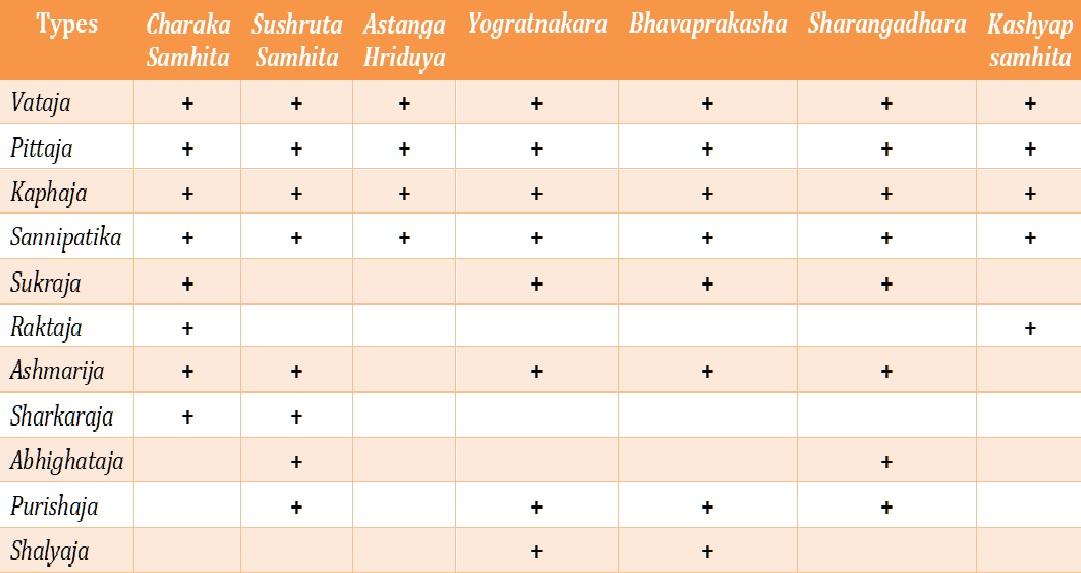
Mutrakrichra roga (urinary disorders), is a prevalent ailment described in Ayurveda with diverse aetiologies and manifestations. Managing Mutrakrichra (urinary disorders) involves using various herbal drugs with diuretic, lithotriptic, and soothing properties. This study aims to compile and compare the drugs used in treating Mutrakrichra roga (urinary disorders) from different classical Ayurvedic texts or Samhitas, including Charaka Samhita, Sushruta Samhita, Ashtanga Hridaya, and other manuscripts. A systematic review of these texts was conducted to identify the drugs recommended for managing Mutrakrichra roga (urinary disorders). The findings revealed a rich repository of medicinal plants and formulations used for their therapeutic effects on urinary disorders, including Gokshura (Tribulus terrestris), Punarnava (Boerrhavia diffusa), and many others. This compilation of drugs from different Samhitas provides valuable insights into the traditional knowledge and practices of Ayurveda in managing Mutrakrichra roga. It underscores the need for further research and clinical studies to validate the efficacy and safety of these herbal remedies in contemporary healthcare practices.
Downloads