Preparation and Physico-Chemical Analysis of Agnikumara Rasa (B.R Jwaradhikara) Prepared with Variation in Number of Bhavana (Levigation)
DOI:
https://doi.org/10.47070/ijapr.v10i7.2462Keywords:
Agnikumara rasa, Bhavana samskara, Analytical parameter, BioavailabilityAbstract
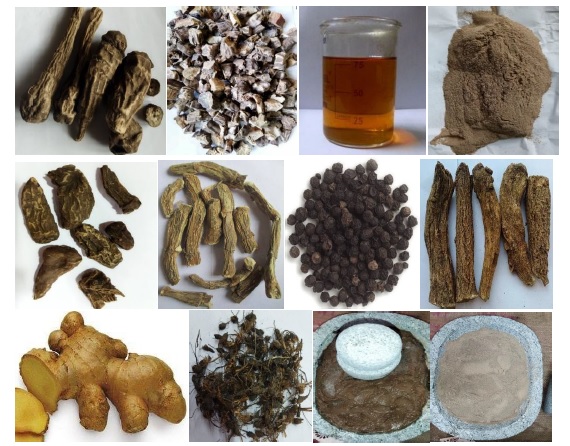
Rasasastra is a specialised branch of Ayurveda that deals with Rasa dravyas which include Visha dravyas used for the preparation of therapeutically potent medicines. Agnikumara rasa of Bhaishajya Ratnavali Jwara adhikara reference is one such herbal formulation that contains a major proportion of Shodhita Vatsanabha and other ingredients of Maricha, Vacha, Kushta, Mushta, and Ardraka. It is a Kharaliya yoga (a formulation prepared in mortar) prepared by Bhavana samskara (levigation). As the number of levigation is not mentioned, three samples were prepared by doubling the number of Bhavana (levigation) of the preceding sample and physico-chemical analysis of these samples was done and compared. In Charaka samhita Vimanasthana, Acharya has explained the relevance of Samskara for imparting new Gunas (properties) and thereby potentiating the drug. The present study was done to identify a better analytical profile among the samples. It was found that some of the analytical parameters like hardness, disintegration time were modified with Bhavana which may increase the bioavailability of the drug and thereby its therapeutic potency.
Downloads