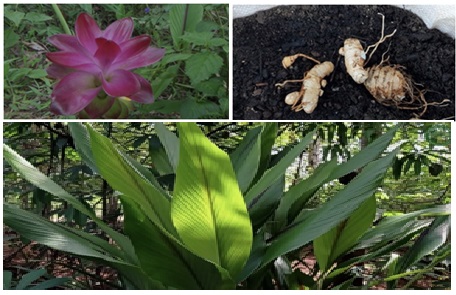
A Comprehensive Review of Kachur (Curcuma Zedoaria Rosc.): A Potent Herbal Drug for Various Ailments
DOI:
https://doi.org/10.47070/ijapr.v11i5.2736Keywords:
Kachur, Zedoaria, White turmeric, CurcumaAbstract
Background: Kachur (Curcuma Zedoaria Rviosc.) is a perennial herb found in tropical and sub-tropical countries such as India, Thailand and Japan. Various parts of this plant are used in Ayurveda having properties like Rochan, Deepana, Krumigna, Yakurit uttejaka, Anulomak, Raktashodhaka, Sothaharah, etc. and other folk medicines for the treatment of different aliments such as diarrhea, flatulence and dyspepsia and many more. Aim: To review comprehensive literature on Kachur (Curcuma Zedoaria Rosc.) w.s.r. to its ethnomedicinal uses and pharmacological activities. Material And Methods: The literature review was compiled from available Ayurvedic literatures and various published articles relevant to Kachur. Conclusion: Kachur contains complex range of phytoconstituents due to which it has been reported for its diverse biological activities. It has been studied for various therapeutic activities like anti-microbial activity, anti-oxidant activity, anti-inflammatory activity, antipyretic, etc. It is widely used for treatment of various diseases like worm infestation, leucorrhea, gonorrhea, flatulence, dyspepsia, dropsy, etc.
Downloads